Sustainability
Building a better future for people and the planet.
Every choice, from material selection to on-site practices, reflect our responsibility to leave a positive impact within the communities we serve.
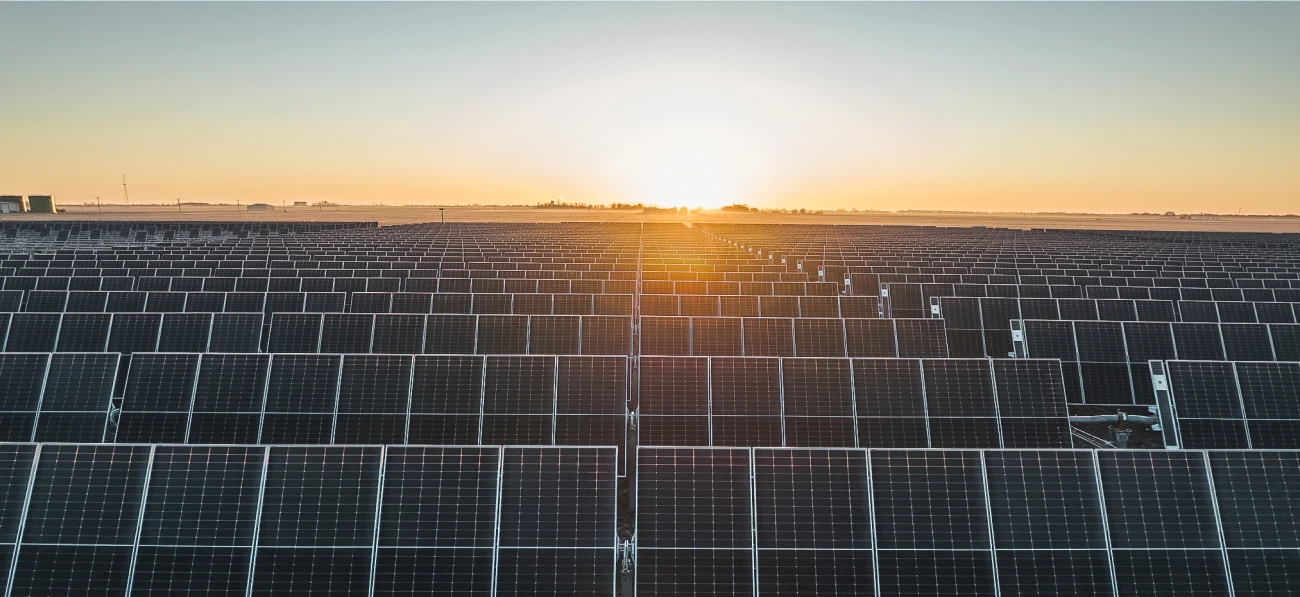
A culture of responsibility.
Sustainability has always been part of who we are. For more than a century, Flintco and our sister company, Alberici, have built the infrastructure and community spaces that improve lives and protect our shared future. Guided by our enterprise-wide environmental, social, and governance strategy, we reduce waste, conserve energy, and strengthen the communities where we live and work. Every project is a chance to lead by example and raise the standard for what construction can do for the planet.
125
LEED Certified projects
50+
LEED accredited professionals
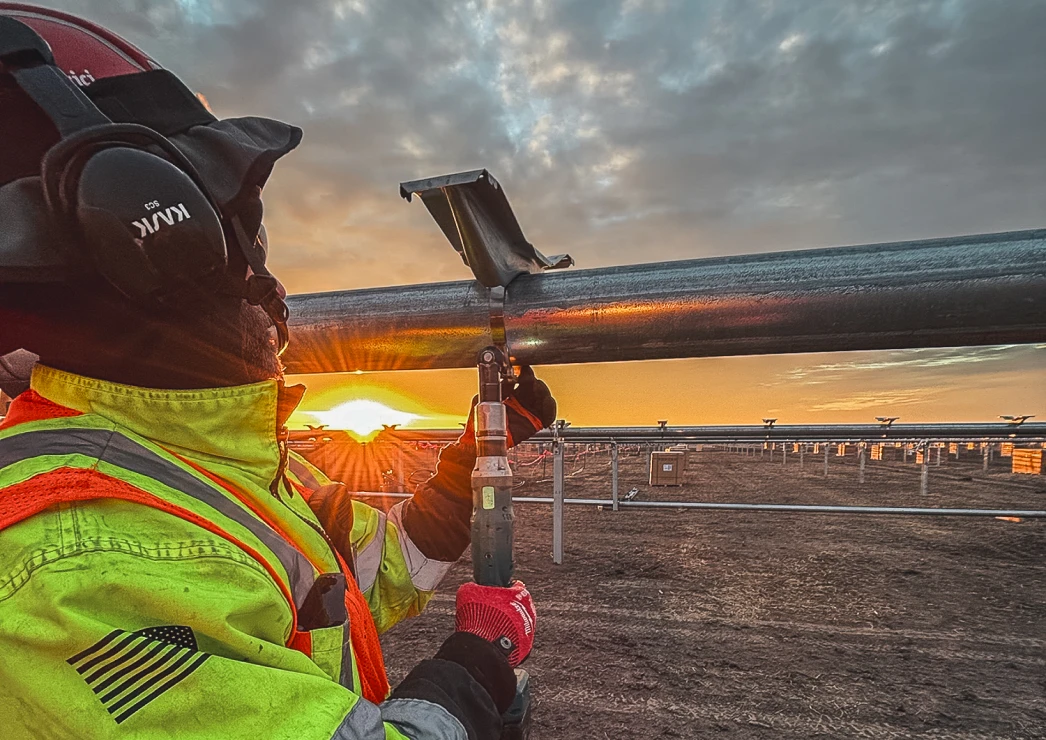
Our approach
Putting sustainability to work.
We take a practical, accountable approach to minimizing impact on every jobsite. Our commitment is built on continuous improvement through Lean tools and responsible building practices.
Here’s how we put that into practice:
Explore the Impact.
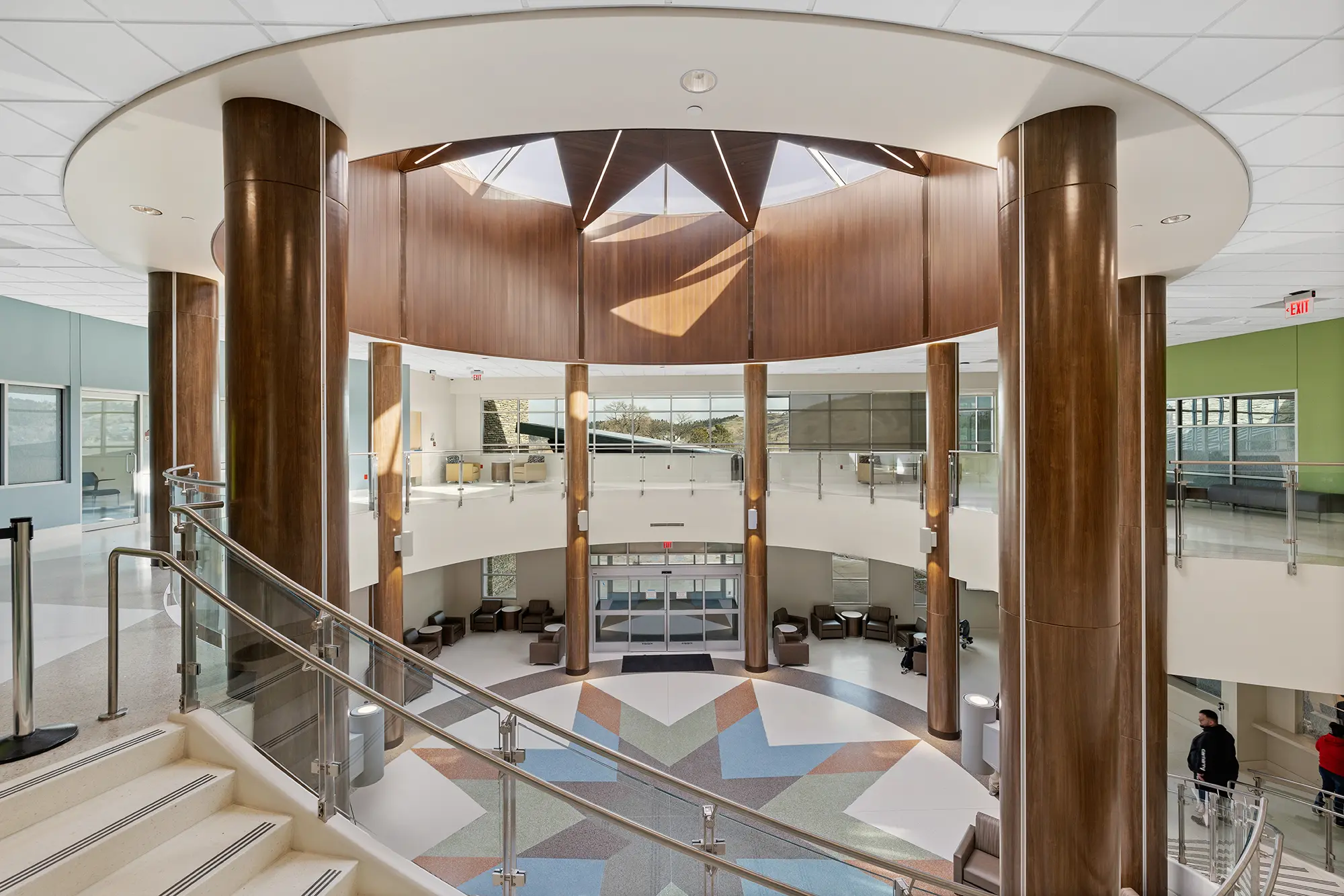
Oyate Health Center
Rapid City, SD
Serving the Oglala, Cheyenne River, and Rosebud Sioux Tribes, the facility was designed to reflect tribal identity and preserve the historic Sioux San site. The center offers comprehensive medical services and a healing environment rooted in Native culture.
Environmental Impact
An underground cooling system creates ice at night for daytime cooling.
5,900 SF of snowmelt area at main entrances and loading dock, using glycol-based radiant system heated by building’s main heating loop—eliminating need for chemical de-icers
175kW ground-mounted solar array sized to offset 5% of building energy use
269 tons of CO2 emissions are reduced annually (equivalent to removing 53 cars from the road)
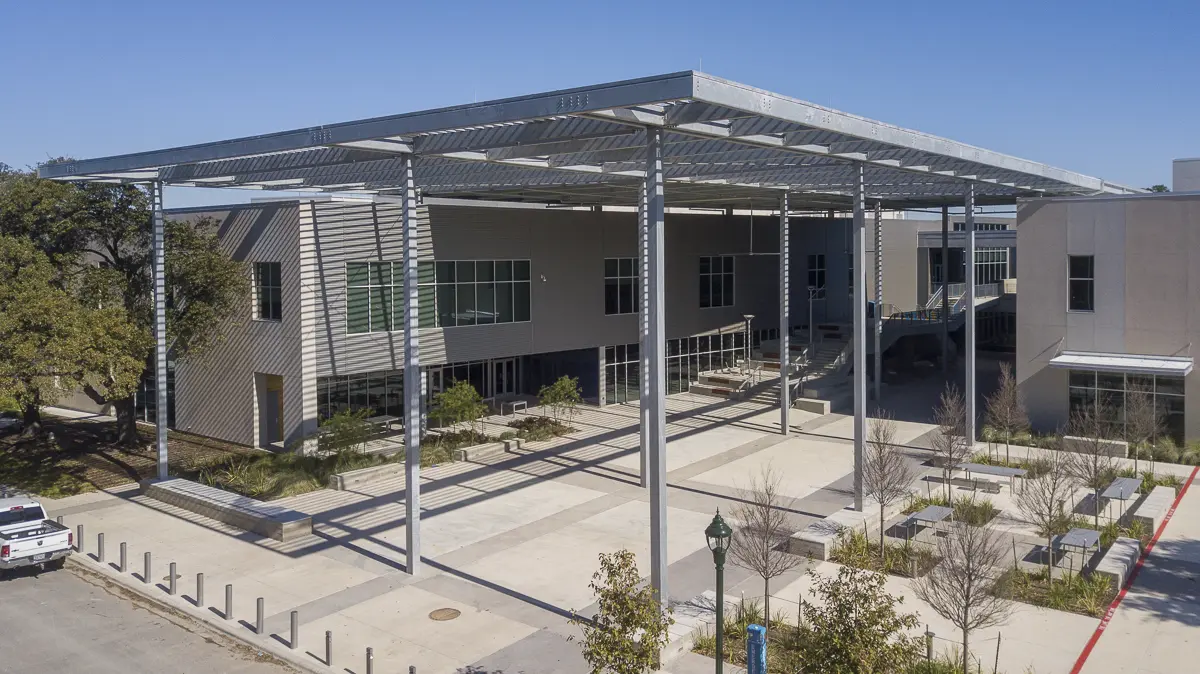
ACC Highland Campus
Austin, TX
Austin Community College transformed the former Highland Mall into a thriving educational campus through adaptive reuse. Rather than demolishing the aging retail center, ACC partnered with Flintco to reimagine existing structures as modern learning spaces, delivering environmental and community benefits while preserving the neighborhood’s architectural legacy.
Environmental Impact
The major renovation of the former JCPenney building avoided demolition waste and the environmental impacts of raw material extraction and transportation.
Storefront glass was crushed and incorporated into new concrete, reducing raw material needs.
75-80% construction waste was diverted from landfills across both buildings.
67% reduction in embodied carbon (Building 2000).
You Bring The Vision.
We’ll Make It Happen.